

Every year, ViVE brings together health system leaders, founders, policymakers, clinicians, and technologists to talk about where healthcare is heading next. Under the bright February sun of Los Angeles (a city built on reinvention), the industry gathered once again, a fitting backdrop for a sector in transition.
This year didn't feel like the conversation revolved around future trends, but more about a reckoning with the present.



Pictures courtsey of ViVE
The energy was high as always and carried well beyond the stages from AI -that finally feels practical- to real talk about data, access, and what’s next. There were lighter moments too: a quick swing at the golf simulator, a pause at the headshot lounge, someone stepping out of a packed panel to pet a therapy puppy before heading back in, or executives comparing step counts from the walking challenge in the South Hall Lobby.

The exhibit hall buzzed with live demos, spontaneous debates, and plenty of “wait, that’s actually working?” moments.
If you couldn’t make it to Los Angeles, here’s what you missed.
The Smart Thermostat Moment
Healthcare wasn’t asking what AI could do anymore. It was asking what it should do and how to do it responsibly.
One of the most repeated analogies of the week was the one made by Saad Chaudhry during the panel “Too Big to Be Basic: When Large Scale Turns Simple Into Complex”
“Implementing AI, is like buying a smart thermostat — only to discover your home doesn’t have central air.”
The room laughed. Then it got quiet. Because everyone knew it was true.
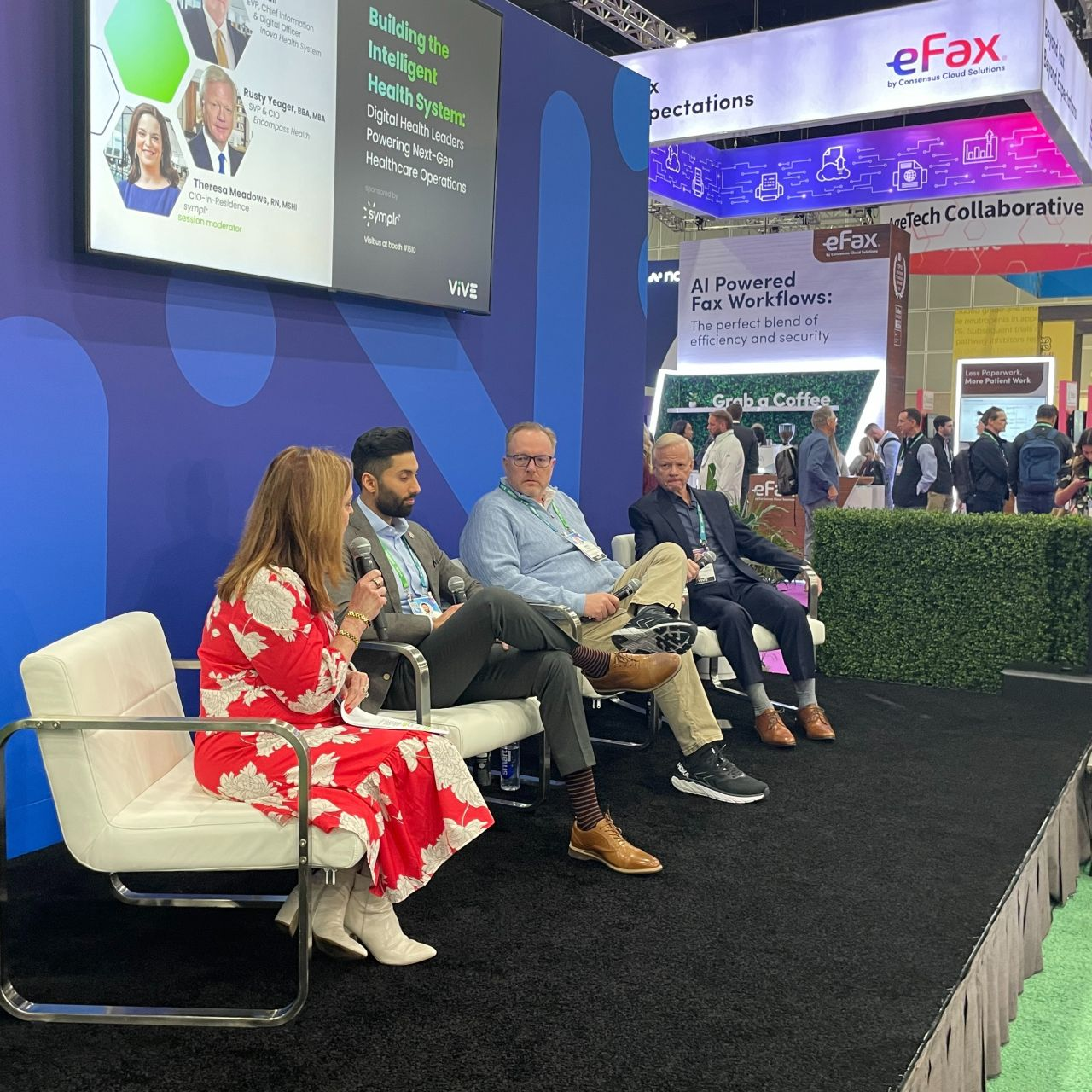
Across sessions like Reimagining Nursing Workflows and The Evolution of Nursing in a Tech-Enabled Future, leaders described a reality that doesn’t show up in product demos: charge nurses working with five to seven applications open at once. Tabs layered over tabs. Alerts layered over alerts. Documentation squeezed into already overloaded shifts.
In that environment, adding another tool only deepens the fragmentation.
The takeaway wasn’t anti-AI. It was pro-execution.
As Saad put it, before intelligence can support care, workflows have to be redesigned. Roles clarified. Tasks rethought. The invisible “HVAC installation”, the hard, expensive operational work, has to happen first.
Rather than glossing over the operational lift, ViVE approached that work with realism instead of idealism.
Designing With Humans, Not Around Them
If there was a thread connecting nearly every session, it was trust.
Not compliance. Not regulatory language. Plain human trust.
In the session "Patient-Centered AI: Creating Technology People Trust", speakers Randall Rutta, MA, Sneha Dave, Michelle Monaco, and Chethan Sarabu, MD shifted the conversation away from models and toward lived experience. To put it bluntly: patients need to be involved in defining the problem, not just validating the solution.
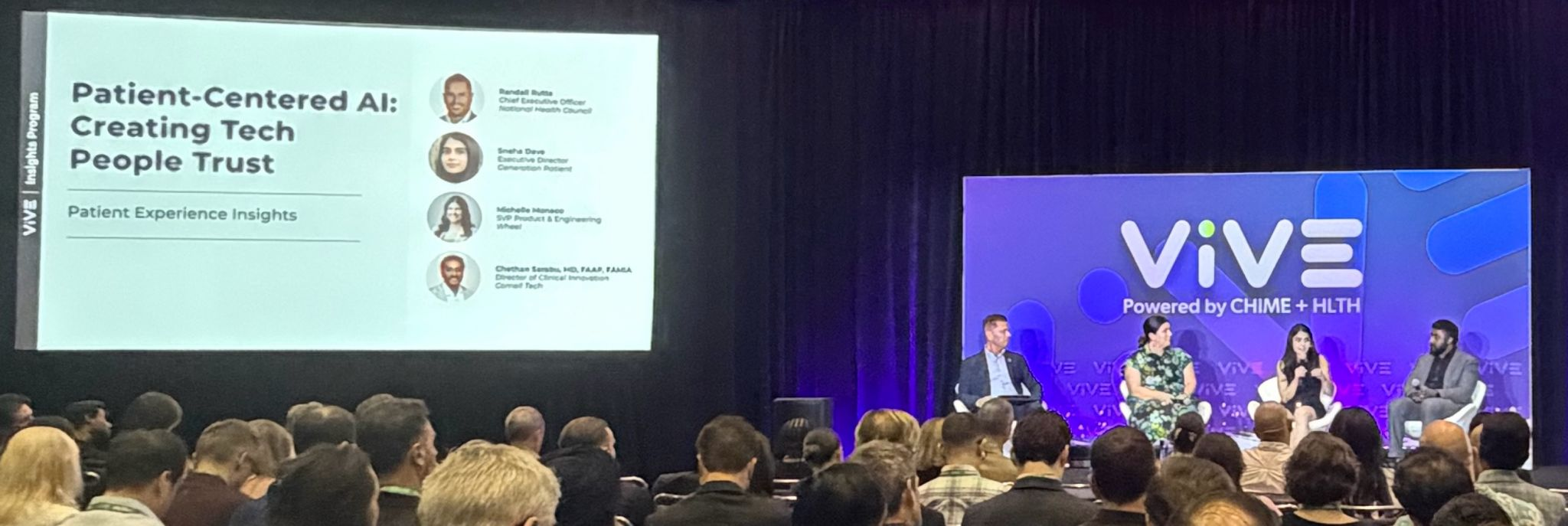
It sounds obvious, yet healthcare technology is still frequently designed in controlled environments, optimized for clean datasets that rarely capture the complexity of real life.
We’ve encountered this repeatedly. When teams move too quickly to build, without fully understanding workflows, constraints, and lived experience, friction tends to surface later in adoption, in trust, and ultimately in results.
Care doesn’t happen in a vacuum. It happens between work shifts. During childcare. In rural areas with limited connectivity. In communities navigating financial strain.
Across multiple panels, one message surfaced repeatedly: physicians and frontline clinicians must shape innovation from the start. Health technology that ignores real workflows doesn’t scale. But when clinicians translate the complexity of daily care into product decisions, adoption accelerates.
For that reason, discovery is never a checkbox for us. It shapes the direction of every engagement. We begin by studying the people, processes, and context surrounding care, because meaningful solutions depend on that foundation.
AI cannot replace empathy. It cannot replicate the therapeutic relationship. But when co-designed with the clinicians and patients who live the workflow every day, it can reduce friction between clinical data and real life.
The industry seems to be moving away from designing adjacent to care and toward designing within it. Physician-entrepreneurs have been gaining visibility in recent years, and this year’s discussions reinforced their growing influence. Those who understand clinical practice while engaging with technical and operational strategy are emerging as critical innovation leaders.
Trust, as it turns out, is a design and product decision.
When Innovation Becomes a Lifeline
The tone shifted again during the rural health session "Rural Health in Crisis: The Race to Save Access" featuring Brian Hoerneman MD FACEP, President & CEO of Sanford Health Marshfield; Gulshan Mehta, Chief Digital and Information Officer of Blanchard Valley Health System; and Joe Dunn, Chief Policy Officer of NACHC.
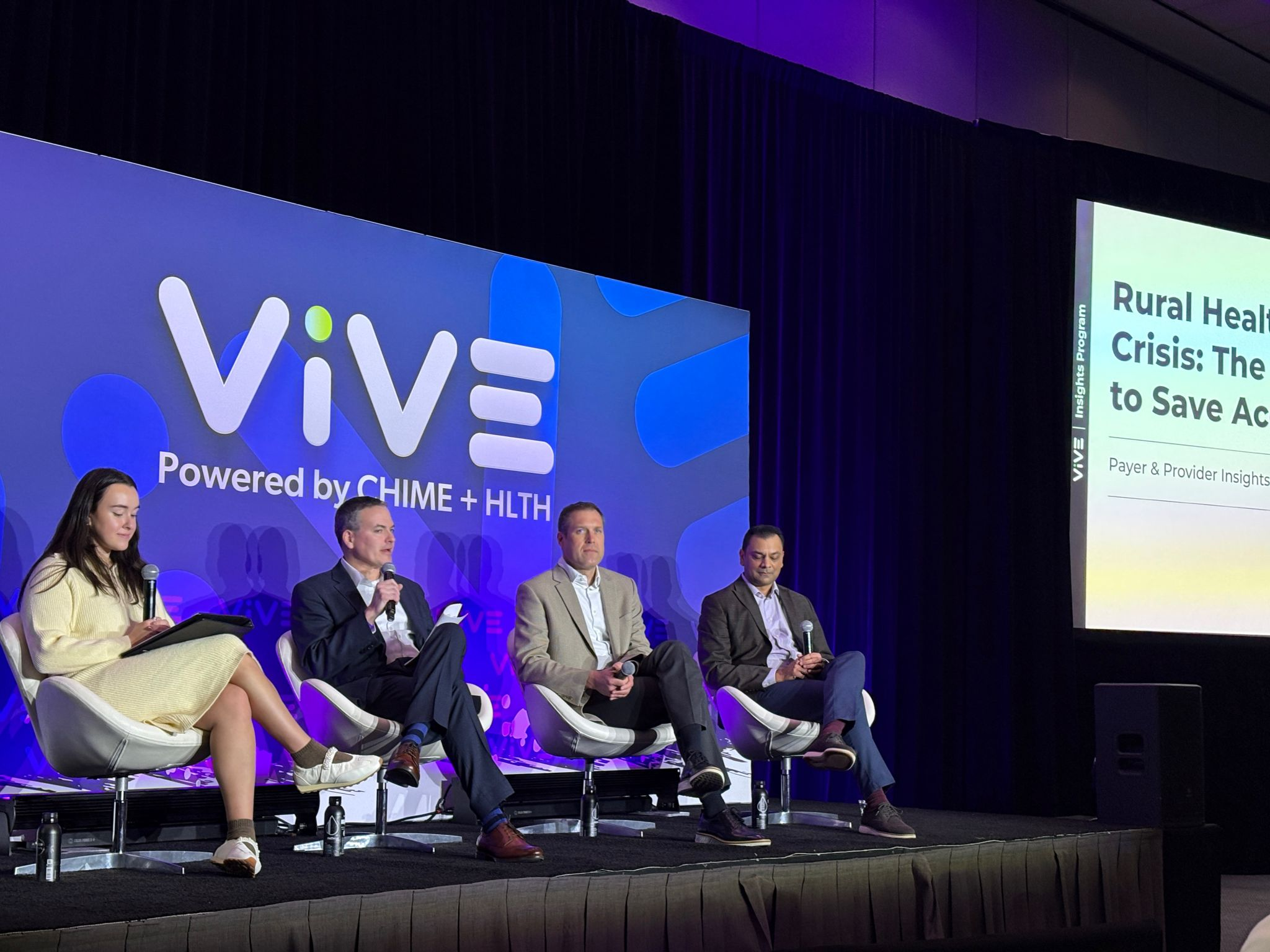
Leaders spoke about the reality in rural health: hospitals closing in their regions, specialist shortages stretching systems thin, and chronic disease burdens that don’t wait for funding cycles.
One comment lingered long after the session ended: the risk of not adopting technology is now higher than the risk of adopting it.
The sentiment reflected operational necessity rather than enthusiasm for innovation.
Virtual care, ambient documentation, and predictive analytics are no longer experimental upgrades in rural communities. They have become essential strategies for preserving access, extending reach, and keeping hospitals open.
Outside the session room, attendees moved toward ViVE Central, where volunteers were assembling wildfire relief kits in partnership with Direct Relief and NACHC. It was a subtle but powerful reminder that healthcare is not confined to hospital walls, but woven into the communities it supports.
Why Data Still Determines Everything
If AI was the headline, interoperability was the subtext.
As Helen Waters put it in the “Fueling Rural Transformation: Partnership to Activate the $50B Fund” panel: “Healthcare has only earned a C-minus for its interoperability efforts. We must fix this, as data liquidity is the only way to unlock the full value of AI.”
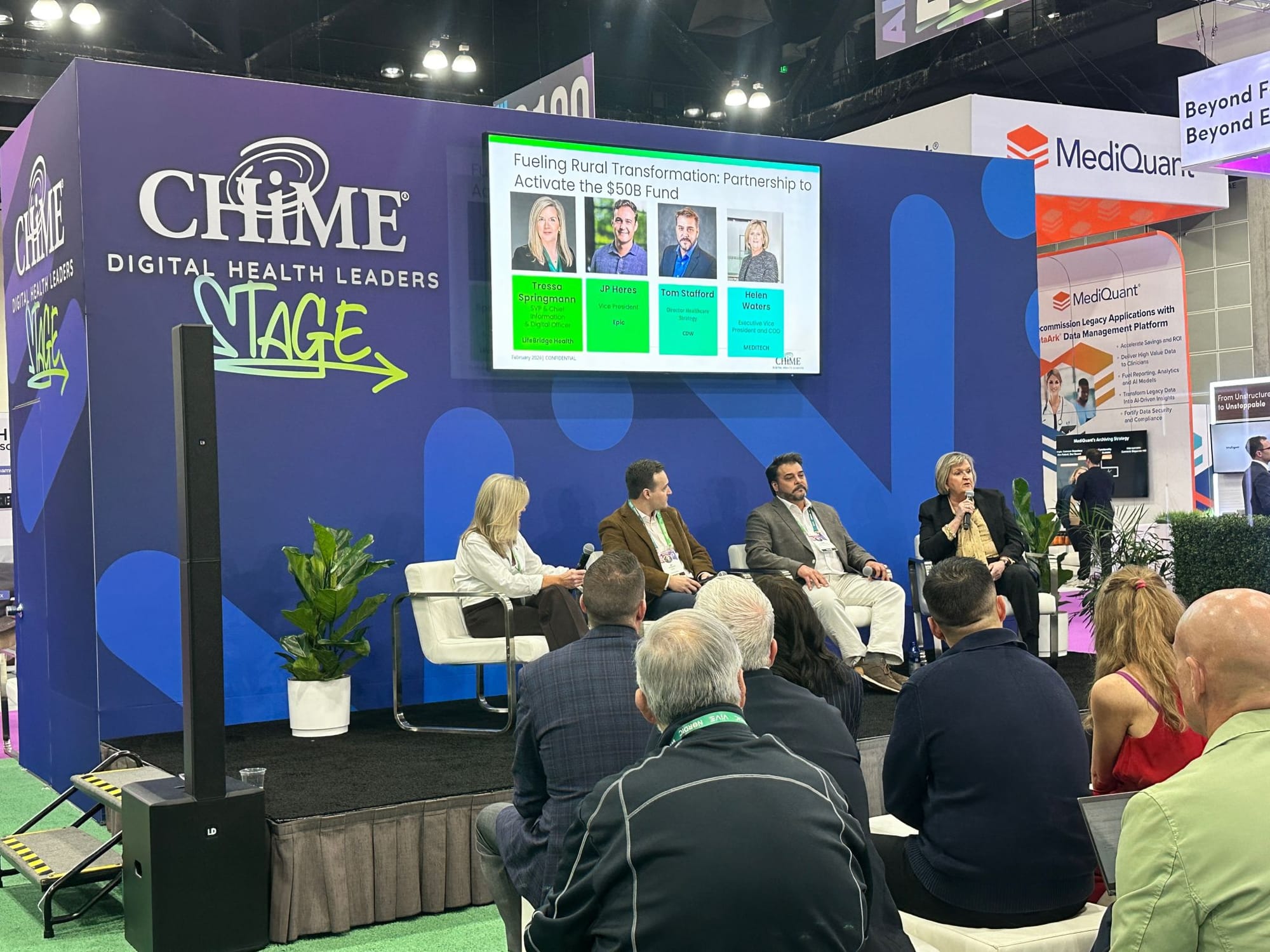
The implications are real.
Intelligence systems depend on connected, high-quality data. But fragmented systems and inconsistent governance continue to slow progress. Clinicians won’t trust recommendations if they can’t understand where the data originated or how conclusions were generated.
In practice, transparency operates as infrastructure. Advanced models may perform well technically, but without clear governance and explainability, implementation slows.
Care Is Leaving the Building
Another theme surfaced consistently throughout the week: care is steadily expanding beyond hospital walls.
With Medicare waivers for hospital-at-home programs extended through 2030, the movement feels structural rather than experimental. Leaders pointed to outcomes that are increasingly difficult to overlook, including lower readmissions, reduced delirium risk among older adults, and strong patient satisfaction.But even beyond said reported outcomes, the broader shift in perspective stood out. Hospital-at-home models reflect an understanding that healing unfolds within familiar surroundings and is shaped by emotional and environmental context alongside clinical care.
Care is becoming more distributed. More contextual. More personal.
The Quiet Rise of Administrative AI
Some of the most consequential conversations extended beyond clinical care. Revenue cycle management and administrative automation received significant attention, as health systems continue adopting mature LLM-driven tools to support prior authorization workflows and patient onboarding, longstanding sources of delay in patient access.
These developments may not command the spotlight, yet their operational impact is substantial. As administrative bottlenecks ease, patients move through the system with fewer obstacles, staff recover valuable time, and financial pressure begins to stabilize.
Progress in healthcare often takes this form: incremental, operational improvements that quietly reshape the experience of care delivery.
Security, Equity, and the Responsibility of Scale
As healthcare tools become more capable, the responsibilities surrounding them grow just as quickly. Cybersecurity was a central theme across panels like “Threats, Bets, and Cyber Defenses,” “2026 Healthcare Cybersecurity: A Leadership Agenda,” and “Keeping Healthcare Data Secure & Compliant in the Cloud: A CTO’s Blueprint for Success.” The message was consistent: sustained innovation depends on security architectures that are as advanced as the technologies they protect.
Speakers explored secure, cloud-native data platforms built on continuous monitoring, embedded compliance, and HIPAA-aligned governance. Conversations also addressed the evolving threat, where ransomware, AI-driven attacks, ecosystem risk, and identity vulnerabilities demand enterprise-wide resilience. Cybersecurity is now directly tied to patient safety, operational continuity, and financial stability.
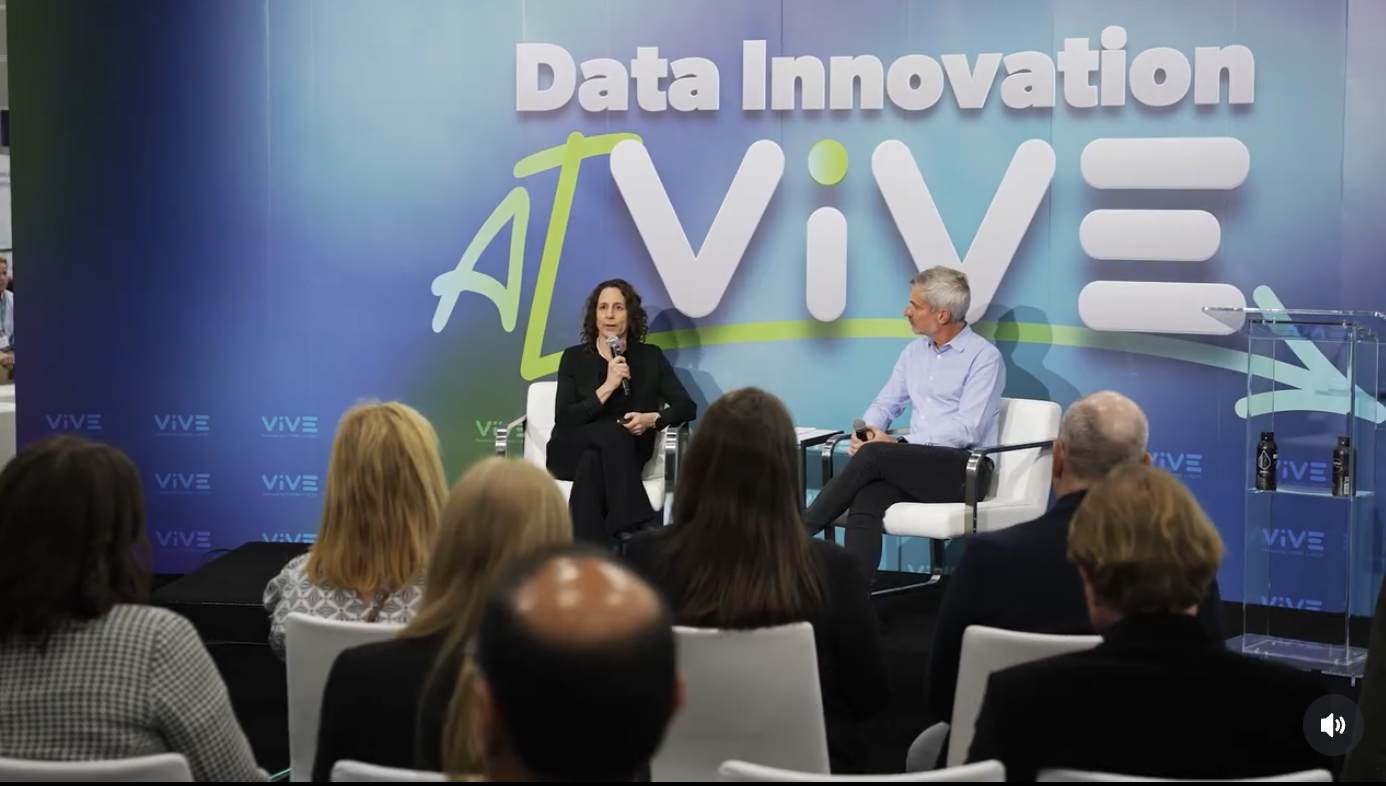
Digital equity surfaced alongside these discussions. Leaders emphasized deployment strategies that expand access across underserved communities, reinforcing the idea that innovation’s impact is defined not only by performance, but by who it ultimately reaches.
What We Heard, What We Felt, and Where Healthcare Is Headed
ViVE 2026 was more than a gathering of industry leaders. It was a week of meaningful dialogue about how healthcare moves forward with clarity, discipline, and intention. We connected with clients, partners and friends and left more motivated than ever.
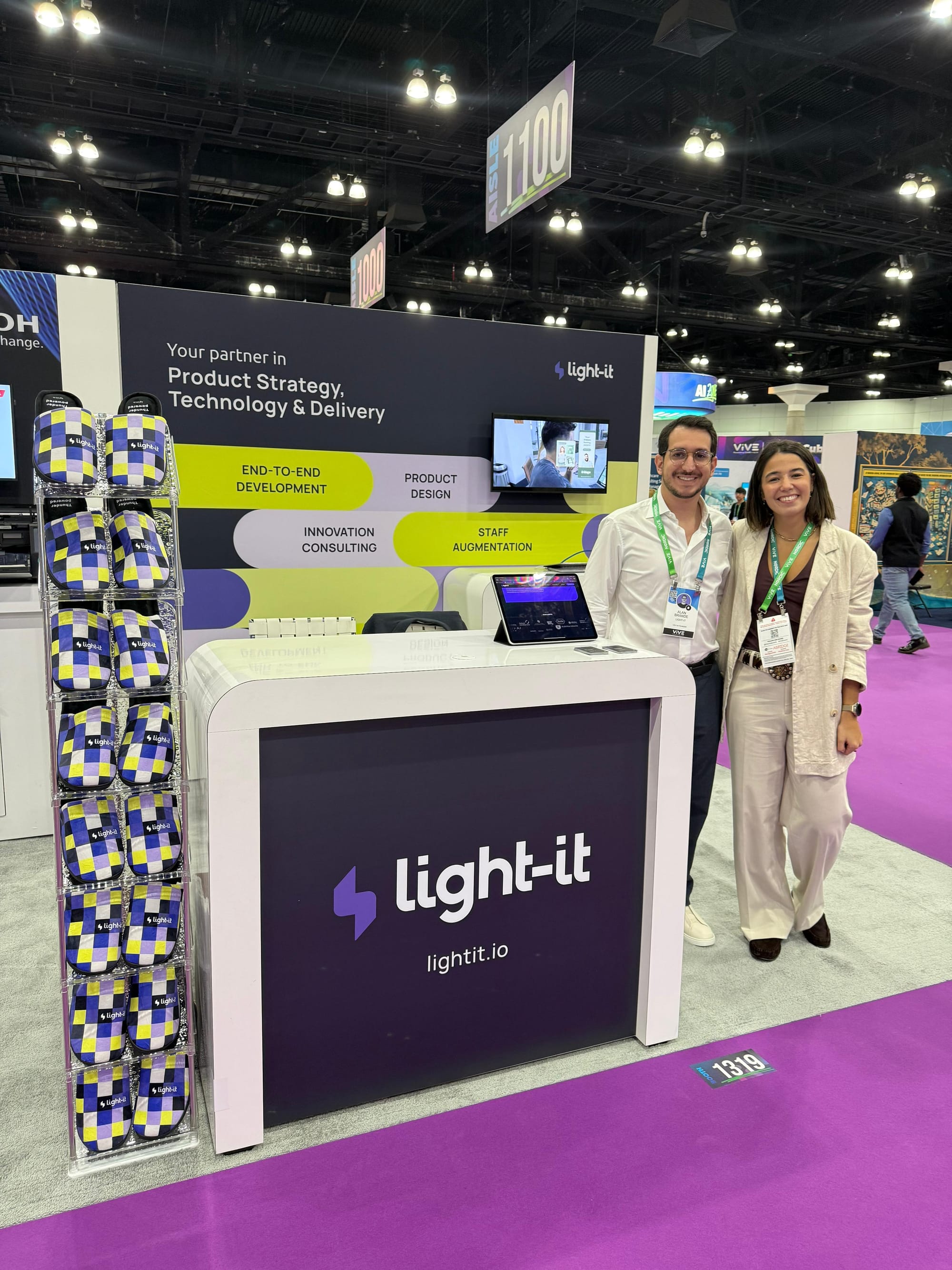
The conversations reinforced something we believe deeply: technology creates value when it is grounded in purpose, embedded thoughtfully into workflows, and aligned with the realities of care delivery. That alignment showed up again and again across sessions, panels, and hallway discussions.
We left Los Angeles energized. The momentum around responsible AI, stronger data foundations, and equitable access is real and it reflects the kind of progress healthcare needs right now.

If you couldn’t connect with us during ViVE, we’d still love to continue the conversation. The work shaping the next chapter of digital health doesn’t stop when the conference ends, and neither do we.